Peak Sidelobe Suppression in Planar Fluid Antenna Array
January 01, 1970
Abstract
Fluid antenna systems (FAS) have emerged as a promising technology for next-generation wireless communications, offering inherent reconfigurability and spatial adaptability. A distinctive and practically consequential property of fluid antenna arrays (FAAs) is their geometric diversity: by dynamically activating different subsets of spatially distributed ports across a dense discrete grid, a FAA can reconfigure its effective aperture geometry on demand, thereby unlocking unprecedented spatial degrees of freedom for radiation pattern synthesis. Exploiting such geometric flexibility, this paper investigates peak sidelobe level (PSLL) minimization in sparse planar FAAs through enhanced heuristic optimization. Specifically, an improved genetic algorithm (IGA) is proposed to determine the optimal port activation pattern that minimizes the PSLL under strict sparsity constraints. The proposed IGA incorporates tournament selection, adaptive operator probabilities, a hybrid crossover scheme, multi-point mutation, and an elite-pool preservation strategy to improve both convergence speed and solution quality. Simulation results demonstrate that the IGA significantly outperforms the canonical GA (CGA) in convergence behavior and final PSLL performance, achieving a \(4.45\,\mathrm{dB}\) reduction in sidelobe levels while maintaining a comparable mainlobe width.
Fluid antenna system, fluid antenna array, geometric diversity, genetic algorithm, peak sidelobe level, sparse planar array, combinatorial optimization.
1 Introduction↩︎
Fluid antenna systems (FAS) [1], [2] have catalyzed a paradigm shift in next-generation wireless networks, establishing foundational theories across multiple access [3]–[5], random access [6]–[8], multi-carrier systems [9], [10], low-latency communications [11], [12], beamforming [13], [14], and novel signal processing [15]. Early FAS research primarily adopted a fading-domain perspective, exploiting the unique plateau and deep-fading characteristics of the channel envelope to extract diversity gains and improve communication reliability. However, a complementary and arguably more fundamental dimension of FAS has recently come to the fore: the geometric diversity inherent in a fluid antenna array (FAA) [14], [16], which, different to the fading benefits, does not take much overhead to be exploited.
Unlike conventional fixed arrays whose aperture geometry is permanently determined at fabrication, a FAA allows active ports to dynamically shift across a densely packed discrete spatial grid. This reconfigurable geometry directly governs the array’s effective aperture, spatial sampling structure, and spatial frequency content, and hence its radiation pattern, enabling performance that is not merely improved but qualitatively distinct from what fixed apertures permit. As established in [14], [16] for both linear and planar FAA topologies, such geometric flexibility serves as the enabling mechanism for fine-grained radiation pattern control, including beamforming gain, directivity shaping, and, most critically for interference-limited systems, sidelobe suppression [17], array?, design?. Among these metrics, peak sidelobe level (PSLL) minimization is of particular importance, as excessive sidelobes directly degrade adjacent-channel interference rejection and the overall spatial selectivity of the system. A broad range of heuristic optimization algorithms has been explored for PSLL reduction, including grey wolf optimization (GWO) [18], cuckoo search [19], and chicken swarm optimization cuckoo?, search--chicken?, swarm?, optimisation?, algorithm?.
Although these methods have demonstrated notable improvements in optimization efficiency for conventional fixed arrays, their direct applicability to the discrete port-selection nature of an FAA remains severely limited. The dense geometric layout of a planar FAA introduces a massive combinatorial search space, causing traditional heuristics to suffer from sluggish convergence and premature entrapment in local optima. Furthermore, most existing approaches do not explicitly account for the geometry-dependent radiation behavior of FASs, leaving an important methodological gap. Developing robust optimization algorithms tailored specifically to navigate the complex geometric constraints of FAS-based PSLL minimization therefore represents a critical and open research direction.
The main contributions of this paper are summarized as follows:
The PSLL minimization problem for sparse planar FAAs is formulated as a constrained combinatorial optimization task. The objective is to minimize the PSLL subject to a cardinality constraint on the number of active ports and a mandatory corner-port deactivation constraint, both of which arise naturally from the geometric structure of the FAA.
A binary-coded canonical genetic algorithm (CGA) is introduced as a baseline solver. The CGA employs standard genetic operators (selection, crossover, and mutation) together with a constraint repair mechanism to ensure the geometric feasibility of all generated solutions.
An improved GA (IGA) is proposed to overcome the premature convergence and parameter sensitivity of the CGA. The IGA integrates tournament selection, adaptive operator probabilities, a hybrid crossover scheme, multi-point mutation, and an elite-pool preservation strategy to enhance convergence dynamics and solution diversity within the massive FAA search space.
Comprehensive simulations are conducted to compare the IGA and CGA. Results demonstrate that the IGA achieves markedly faster convergence even for high-dimensional port layouts, reduces active port consumption by \(88\%\) relative to the full array, and improves the PSLL by \(4.45\,\mathrm{dB}\) at the cost of only a \(1.43\,\mathrm{dB}\) reduction in directivity.
2 Configurations and Problem Formulation↩︎
2.1 Planar FAA Configurations↩︎
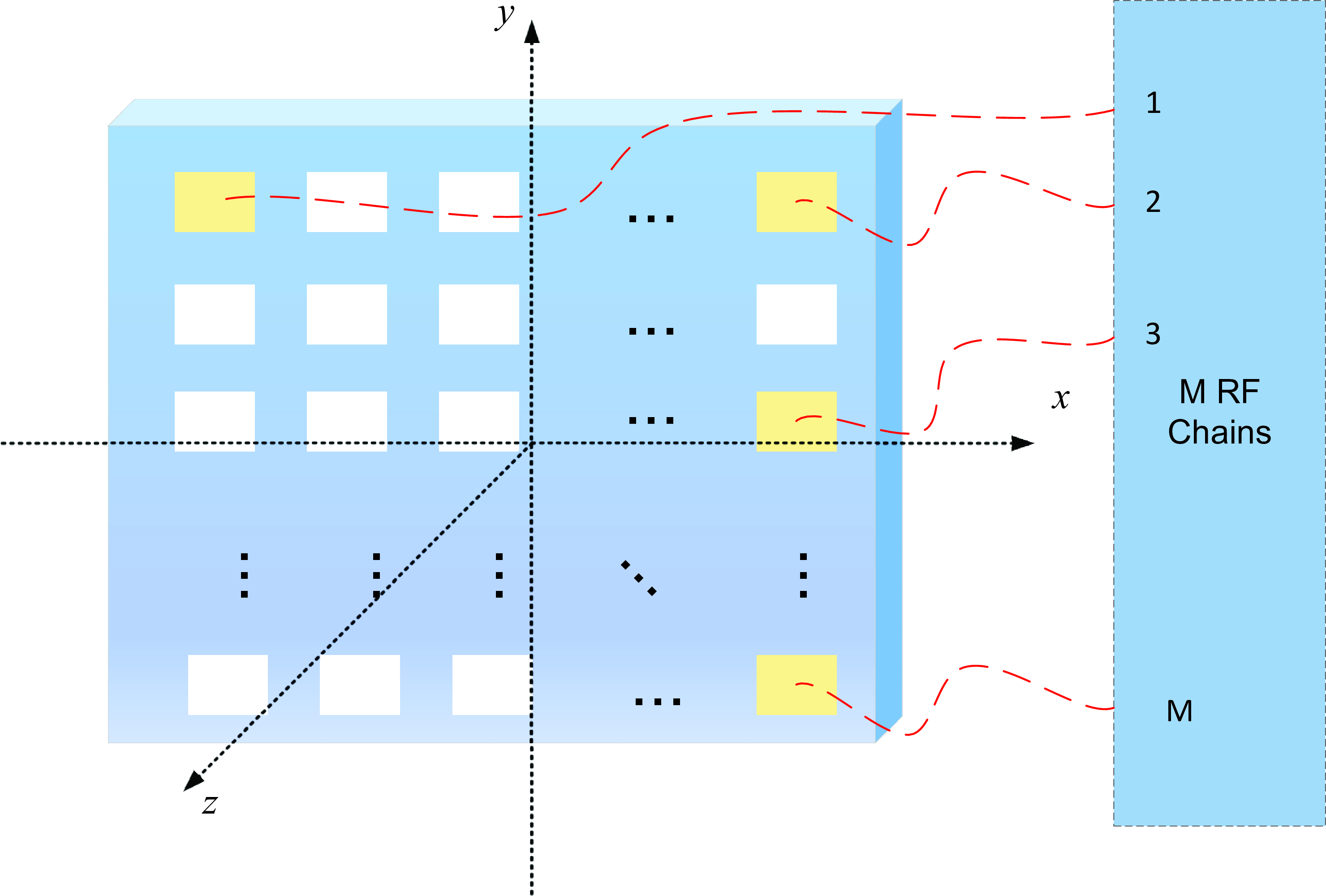
Considering a planar FAA, as illustrated in Fig. 1, the ports of the planar FAA are arranged on an \(N=N_x \times N_y\) grid, where \(N_x\) and \(N_y\) denote the number of ports along the horizontal and vertical axes, respectively. The inter-port placement gap in the 2-D plane are given by \(d_x\) and \(d_y\), and the carrier wavelength is denoted as \(\lambda\). With limited radio frequency (RF) chains constraint, the planar FAA activates a subset of ports from the total \(N\) available ports (i.e., \(M\le N\)). In general, one would favor the number of ports to be activated as low as possible for the PSLL optimization (i.e., M can be deemed as a systematic constraint or optimization goal.)
Define \(A F(\theta, \varphi)\) as the summation of steering elements, termed as array factor, containing the on-off patterns of ports and corresponding phase information. The array factor is expressed as \[AF(\theta, \varphi) = \sum_{m=0}^{N_x-1}\sum_{n=0}^{N_y-1} w_{mn} \exp\Big\{ jk \big[ d_m\Delta_1 + d_n\Delta_2 \big] \Big\}\] where constants \(\Delta_1, \Delta_2\) denotes the angle-oriented phase information (beamforming direction) \[\begin{align} \Delta_1 &= \sin\theta\cos\varphi-\sin\theta_0\cos\varphi_0, \\ \Delta_2 &= \sin\theta\sin\varphi-\sin\theta_0\sin\varphi_0, \end{align}\] and \(w_{mn}\in\{0,1\}\) serves as a binary state coefficient of the \((m,n)\)-th port, with \(w_{mn}=1\) denoting active states, otherwise, inactive states, wave number is dented by \(k=2\pi/\lambda\), and \((\theta_0,\varphi_0)\) denotes the desired steering direction, where \(\theta_0\) and \(\varphi_0\) represent the elevation and azimuth angles, respectively. In this work, the receiver harness the geometrical flexibility by the on-off coefficient optimization where only \(M\) ports are to be activated with their binary coefficients \(w_{mn}\) equal to one.
2.2 Optimization Problem Formulation↩︎
Sidelobes represent the unwanted secondary lobes in antenna radiation patterns, where the PSLL serves as a critical metric for evaluating antenna performance. Lower PSLL indicates better power concentration at the main lobe. With planar FAA, we formulate the problem of PSLL minimization into sparse planar array optimization. Define the PSLL expression \[\Psi \stackrel{\triangle}{=} 20 \log _{10}\left(\frac{\max _{(\theta, \varphi) \in S}|A F(\theta, \varphi)|}{\max |A F(\theta, \varphi)|}\right)\] where \(S\) denotes the sidelobe region, the numerator and the denominator respectively denote the received power of main lobe and the side lobe. Accordingly, the optimization problem can be mathematically formulated as follows: \[\label{eq46problem} \begin{align} &\min _{w_{m n}} \Psi, \\ & \text{ s.t. } \sum_{m=0}^{N_x-1} \sum_{n=0}^{N_y-1} w_{m n} \leq M, w_{m n} \in\{0,1\} \end{align}\tag{1}\] where \(w_{mn}\in\{0,1\}\) is the binary variable describing the activation state of the \((m, n)\)-th port, and \(M\) denotes the maximum permissible count of active ports. The goal is to minimize the PSLL of the antenna array with hardware constraint. Particularly, \(M\) only cells the number of activated ports.
3 Proposed PSLL Minimization Algorithms↩︎
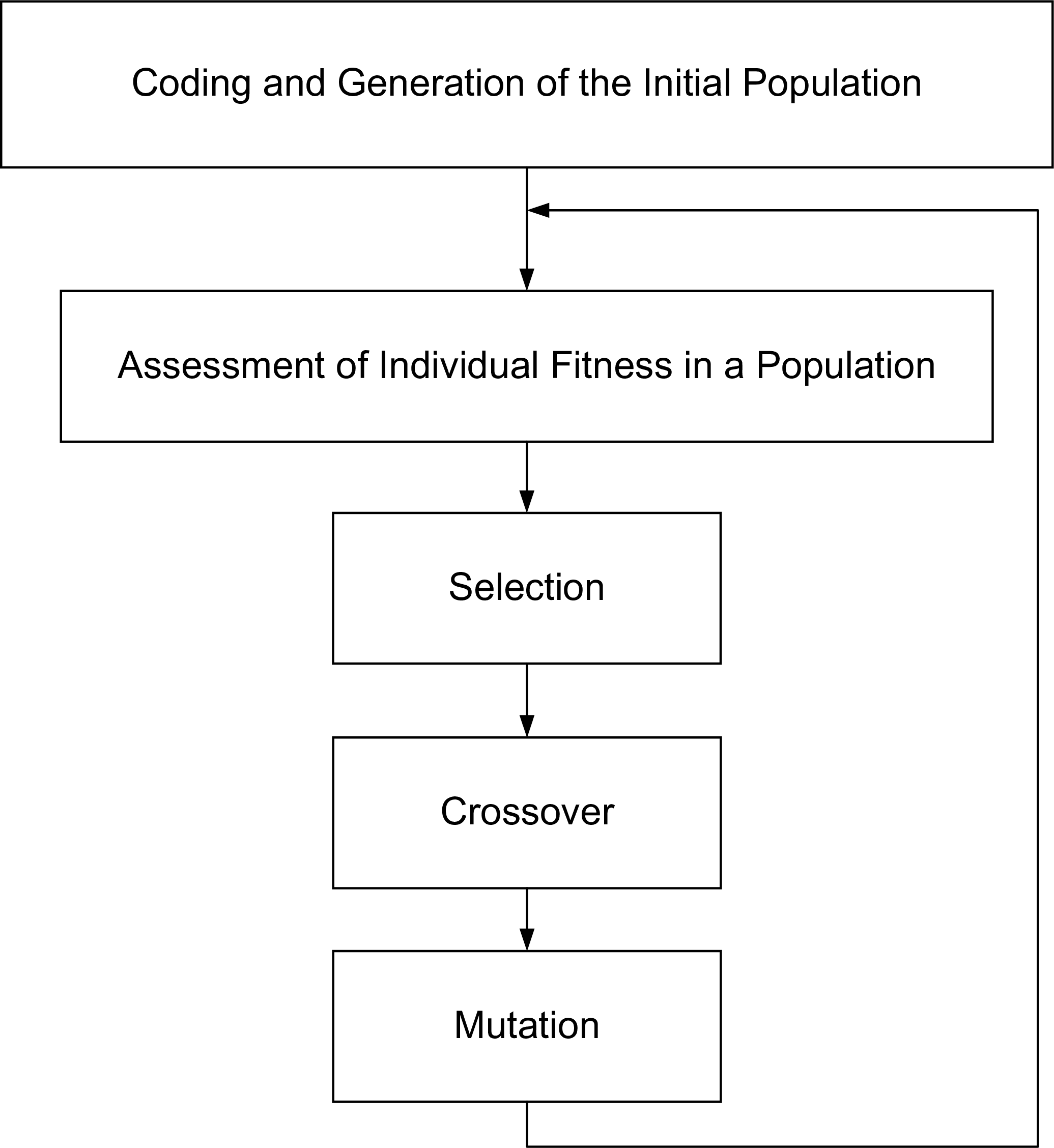
In this section, we present two binary-coded genetic algorithm (GA) variants to optimize the port activation pattern of the considered planar FAA subject to practical hardware constraints. The first, referred to as the canonical GA (CGA), serves as the performance baseline. The second, referred to as the improved GA (IGA), incorporates tournament selection, adaptive operator probabilities, a hybrid crossover scheme, multi-point mutation, and an elite-pool preservation strategy to overcome the limitations of CGA. Both algorithms evolve the port activation configuration through iterative selection, crossover, mutation, and constraint repair, with parallel fitness evaluation to accelerate computation. The flowchart is illustrated in Fig. 2.
3.1 Canonical GA for PSLL Minimization↩︎
The CGA performs population-based evolution relying on three fundamental operators, namely selection, crossover, and mutation, and features a concise and explainable implementation. The parametric tuple of CGA is defined as \[\mathrm{CGA} = \bigl(C,\; E,\; \mathbf{P}_0,\; N_{\mathrm{pop}},\; \mathcal{S},\; \mathcal{C},\; \mathcal{M},\; T_{\max}\bigr),\] where \(C\) is the binary encoding scheme, \(E\) is the fitness evaluation function, \(\mathbf{P}_0\) is the initial population of size \(N_{\mathrm{pop}}\), \(\mathcal{S}\) is the selection operator, \(\mathcal{C}\) is the crossover operator, \(\mathcal{M}\) is the mutation operator, and \(T_{\max}\) is the maximum number of iterations.
3.1.0.1 Encoding and Initialization
Binary encoding is adopted to represent the port activation states of the planar FAA. By flattening the two-dimensional port matrix row by row, the \(i\)-th chromosome is defined as a binary vector of length \(N = N_x \times N_y\), \[\mathbf{w}_i = \bigl[w_{i,1},\; w_{i,2},\; \ldots,\; w_{i,N}\bigr], \quad w_{i,j} \in \{0,1\},\] where \(w_{i,j} = 1\) denotes an activated port. The hardware constraint requires exactly \(M\) active ports per chromosome, imposing the \(\ell_0\)-norm constraint \(\|\mathbf{w}_i\|_0 = M\). Additionally, ports at the four corner indices \(\mathcal{I}_c = \{1,\; N_y,\; (N_x-1)N_y+1,\; N_x N_y\}\) are prohibited from activation throughout the entire evolutionary process, so the feasible set is \[\mathcal{W}_c = \Bigl\{\mathbf{w} \in \{0,1\}^N \;\Big|\; \|\mathbf{w}\|_0 = M,\; w_j = 0\; \forall\, j \in \mathcal{I}_c \Bigr\}.\] The initial population \(\mathbf{P}_0 = \{\mathbf{w}_1, \ldots, \mathbf{w}_{N_{\mathrm{pop}}}\}\) is generated by randomly assigning exactly \(M\) ones in each chromosome subject to \(\mathcal{W}_c\).
3.1.0.2 Array Factor and Fitness Function
Given a chromosome \(\mathbf{w}\), the physical coordinates of the \(j\)-th port are \[x_j = \Bigl(\lceil j/N_y \rceil - \tfrac{N_x+1}{2}\Bigr)d_x, \quad y_j = \Bigl((j \bmod N_y) - \tfrac{N_y+1}{2}\Bigr)d_y,\] so that the aperture is centered at the origin. The array factor in the \((u,v) = (\sin\theta\cos\varphi,\, \sin\theta\sin\varphi)\) domain is \[\label{eq:AF} AF(u,v;\mathbf{w}) = \sum_{j=1}^{N} w_j\, \exp\!\Bigl(j2\pi/\lambda\bigl(x_j u + y_j v\bigr)\Bigr),\tag{2}\] evaluated on the visible region \(\mathcal{V} = \{(u,v) : u^2+v^2 \le 1\}\). The normalized pattern in decibels is \[\label{eq:AFdB} \overline{AF}_{\mathrm{dB}}(u,v;\mathbf{w}) = 20\log_{10} \frac{|AF(u,v;\mathbf{w})|}{\displaystyle\max_{(u',v')\in\mathcal{V}} |AF(u',v';\mathbf{w})|}.\tag{3}\] To evaluate the PSLL without contamination from the main beam, a mainlobe exclusion region is introduced and the sidelobe search region is defined as \[\label{eq:SLregion} \Omega_{\mathrm{SL}} = \bigl\{(u,v)\in\mathcal{V} :|u| \ge \tfrac{2}{N_x}\;\text{or}\;|v| \ge \tfrac{2}{N_x}\bigr\},\tag{4}\] where the threshold \(\tfrac{2}{N_x}\) corresponds to the first-null beamwidth of the fully populated reference array, ensuring that the mainlobe is entirely excluded from the sidelobe penalty region. The same definition is applied to all compared methods to guarantee a fair and consistent PSLL evaluation.
and the PSLL is accordingly evaluated as \[\label{eq:PSLL} \Psi(\mathbf{w}) = \max_{(u,v)\in\Omega_{\mathrm{SL}}}\, \overline{AF}_{\mathrm{dB}}(u,v;\mathbf{w}).\tag{5}\] Since the GA maximizes a fitness function whereas the optimization objective 1 minimizes \(\Psi\), the fitness of chromosome \(\mathbf{w}_i\) is defined as \[\label{eq:fitness95CGA} F(\mathbf{w}_i) = -\Psi(\mathbf{w}_i),\tag{6}\] so that maximizing \(F\) is equivalent to minimizing the PSLL. Fitness evaluations across the entire population are executed in parallel to reduce wall-clock computation time.
3.1.0.3 Selection Operator
Roulette-wheel selection is adopted in CGA. Because raw fitness values may be negative, a non-negative transformation is first applied, \[\widetilde{F}(\mathbf{w}_i) = \max\bigl(F(\mathbf{w}_i),\; 0\bigr).\] The selection probability of individual \(\mathbf{w}_i\) is then \[\label{eq:roulette} p_i = \frac{\widetilde{F}(\mathbf{w}_i)}{\displaystyle\sum_{k=1}^{N_{\mathrm{pop}}} \widetilde{F}(\mathbf{w}_k)},\tag{7}\] and \(N_{\mathrm{pop}}\) parents are drawn with replacement according to \(\{p_i\}_{i=1}^{N_{\mathrm{pop}}}\) to form the mating pool.
3.1.0.4 Crossover Operator
Two-point segment crossover is applied to consecutive parent pairs \((\mathbf{P}_1, \mathbf{P}_2)\) with probability \(p_c\). Two distinct loci \(c_1 < c_2\) are drawn uniformly from \(\{1,\ldots,N\}\), and offspring \(\mathbf{O}_1\) and \(\mathbf{O}_2\) are generated by exchanging the gene segment within \([c_1, c_2]\): \[\label{eq:crossover95CGA} \mathbf{O}_1[c_1\!:\!c_2] = \mathbf{P}_2[c_1\!:\!c_2],\quad \mathbf{O}_1[\mathrm{else}] = \mathbf{P}_1[\mathrm{else}],\tag{8}\] and symmetrically for \(\mathbf{O}_2\). If no crossover event occurs, offspring are identical copies of their respective parents.
3.1.0.5 Mutation Operator
Single-bit-flip mutation is applied to each offspring with probability \(p_m\). A position \(r\) is drawn uniformly from \(\{1,\ldots,N\}\), and the corresponding bit is complemented, \[\label{eq:mutation95CGA} o_{i,r} \leftarrow 1 - o_{i,r}.\tag{9}\]
3.1.0.6 Repair Mechanism
Crossover and mutation may violate the cardinality constraint or activate a corner port. Let \(K' = \|\mathbf{o}_i\|_0\) denote the active-port count of the unrepaired offspring. If \(K' > M\), then \(K'-M\) randomly chosen active bits are set to zero. If \(K' < M\), then \(M-K'\) randomly chosen inactive bits are set to one. Any active corner port in \(\mathcal{I}_c\) is subsequently forced to zero, with the count shortfall compensated by activating a randomly selected non-corner inactive bit, ensuring \(\mathbf{o}_i \in \mathcal{W}_c\) after repair.
3.1.0.7 Elite Preservation and Termination
After the repair step, the offspring individual with the lowest fitness is replaced by the globally best chromosome \(\mathbf{w}^*\) found so far, preventing evolutionary degradation. If the \(\ell\)-th individual has \[\ell = \arg\min_{1 \le i \le N_{\mathrm{pop}}} F(\mathbf{w}_i),\] the updated population for the next generation is \[\mathbf{P}_{t+1} = \bigl(\text{repaired offspring}\bigr) \setminus \{\mathbf{o}_\ell\} \cup \{\mathbf{w}^*\}.\]
The algorithm terminates when the iteration counter reaches \(T_{\max}\), and \(\mathbf{w}^*\) is returned as the optimal port activation pattern.
3.2 Improved GA for PSLL Minimization↩︎
To address the limitations of CGA, namely premature convergence and the imbalance between global exploration and local exploitation, an IGA is proposed. While retaining the binary encoding, fitness definition 6 , and repair mechanism, IGA replaces or enhances four key components: tournament selection, adaptive operator probabilities, a hybrid crossover scheme, and an elite-pool preservation strategy.
3.2.0.1 Tournament Selection
Roulette-wheel selection is susceptible to premature convergence when fitness values are closely clustered. IGA instead adopts tournament selection: at each selection step, \(k\) individuals are sampled uniformly at random from the current population to form a tournament set \(\mathcal{T}\), and the individual with the highest fitness is selected as a parent, \[\label{eq:tournament} \mathbf{w}_{\mathrm{parent}} = \arg\max_{\mathbf{w}_c \in \mathcal{T}} F(\mathbf{w}_c).\tag{10}\] This procedure is repeated \(N_{\mathrm{pop}}\) times to fill the mating pool. Tournament selection exerts selection pressure proportional to rank rather than absolute fitness value, thereby reducing the risk of premature convergence while maintaining population diversity, and it requires no fitness truncation.
3.2.0.2 Adaptive Operator Probabilities
Fixed operator probabilities cannot dynamically balance exploration and exploitation across evolutionary stages. IGA implements linearly decreasing schedules for both crossover and mutation probabilities, \[\begin{align} p_c(t) &= p_{c,\max} - \bigl(p_{c,\max} - p_{c,\min}\bigr)\frac{t}{T_{\max}},\tag{11}\\ p_m(t) &= p_{m,\max} - \bigl(p_{m,\max} - p_{m,\min}\bigr)\frac{t}{T_{\max}},\tag{12} \end{align}\] where \(t\) is the current iteration index. The default values in the implementation are \(p_{c,\max} = 0.9\), \(p_{c,\min} = 0.6\), \(p_{m,\max} = 0.1\), and \(p_{m,\min} = 0.01\). This dual-adaptive schedule promotes broad exploration of the solution space in early stages and shifts toward fine-grained local exploitation as the population matures.
3.2.0.3 Hybrid Crossover Scheme
For each parent pair \((\mathbf{P}_1, \mathbf{P}_2)\), crossover is activated with probability \(p_c(t)\). Conditioned on crossover being performed, two-point segment crossover 8 is executed with probability \(0.5\) to preserve contiguous local genetic structures. Otherwise, uniform crossover is executed with the remaining probability to enhance global search capability. In uniform crossover, a binary mask vector \(\mathbf{m} \in \{0,1\}^N\) is generated with each entry drawn independently from \(\mathrm{Bernoulli}(0.5)\). The offspring are produced by the element-wise operations \[\label{eq:uniform95crossover} \begin{align} &\mathbf{O}_1 = \mathbf{m} \odot \mathbf{P}_2 + (\mathbf{1} - \mathbf{m}) \odot \mathbf{P}_1,\\ &\mathbf{O}_2 = \mathbf{m} \odot \mathbf{P}_1 + (\mathbf{1} - \mathbf{m}) \odot \mathbf{P}_2, \end{align}\tag{13}\] where \(\odot\) denotes element-wise multiplication and \(\mathbf{1}\) is the all-ones vector of length \(N\).
3.2.0.4 Multi-Point Mutation
To avoid the inefficiency of single-bit perturbation on a chromosome of length \(N\), IGA applies multi-point bit-flip mutation. When mutation is triggered with probability \(p_m(t)\), the number of simultaneously flipped bits is set to \[\label{eq:mutate95num} L = \max\!\bigl(1,\; \mathrm{round}(0.05\,N)\bigr).\tag{14}\] A set \(\mathcal{P}_{\mathrm{mut}}\) of \(L\) distinct positions is selected uniformly at random, and the corresponding bits are inverted simultaneously, \[\label{eq:mutation95IGA} w_{i,j} \leftarrow 1 - w_{i,j}, \quad \forall\, j \in \mathcal{P}_{\mathrm{mut}}.\tag{15}\] This multi-point scheme increases the probability of escaping poor local structures in large-dimensional binary search spaces.
3.2.0.5 Elite-Pool Preservation
Instead of retaining only a single best individual, IGA maintains an elite pool of size \(n_e = 5\). The \(n_e\) highest-fitness individuals from the current population are collected into the elite set \[\label{eq:elite} \mathcal{E}(t) = \bigl\{\mathbf{w} \in \mathbf{P}(t) : F(\mathbf{w}) \text{ is among the top } n_e \text{ values}\bigr\}.\tag{16}\] Following fitness evaluation of the offspring population, the \(n_e\) individuals with the lowest fitness values are deterministically overwritten by \(\mathcal{E}(t)\) before the next iteration begins. This mechanism guarantees the monotone non-decreasing improvement of the best fitness over iterations while injecting multiple high-quality genetic structures into the new population to guide subsequent search.
4 Simulation Results↩︎
In this section, simulation results are presented to evaluate the performance of the proposed IGA for PSLL minimization in sparse planar FA arrays. The simulation parameters are summarized in Table 1. The IGA is compared against the CGA with respect to both convergence behavior and final PSLL performance.
| Parameter | Value |
|---|---|
| Total number of ports \(N\) | 2500 |
| Port spacing \(d_x = d_y\) | \(0.5\lambda\) |
| Carrier frequency \(f_c\) | 3.5 GHz |
| Number of active ports \(M\) | 300 |
| Population size \(N_{\mathrm{pop}}\) | 100 |
| Maximum iterations \(T_{\max}\) | 300 |
| CGA crossover probability \(p_c\) | 0.6 |
| CGA mutation probability \(p_m\) | 0.1 |
| IGA adaptive crossover bounds \(p_{c,\max}\), \(p_{c,\min}\) | 0.9, 0.6 |
| IGA adaptive mutation bounds \(p_{m,\max}\), \(p_{m,\min}\) | 0.1, 0.01 |
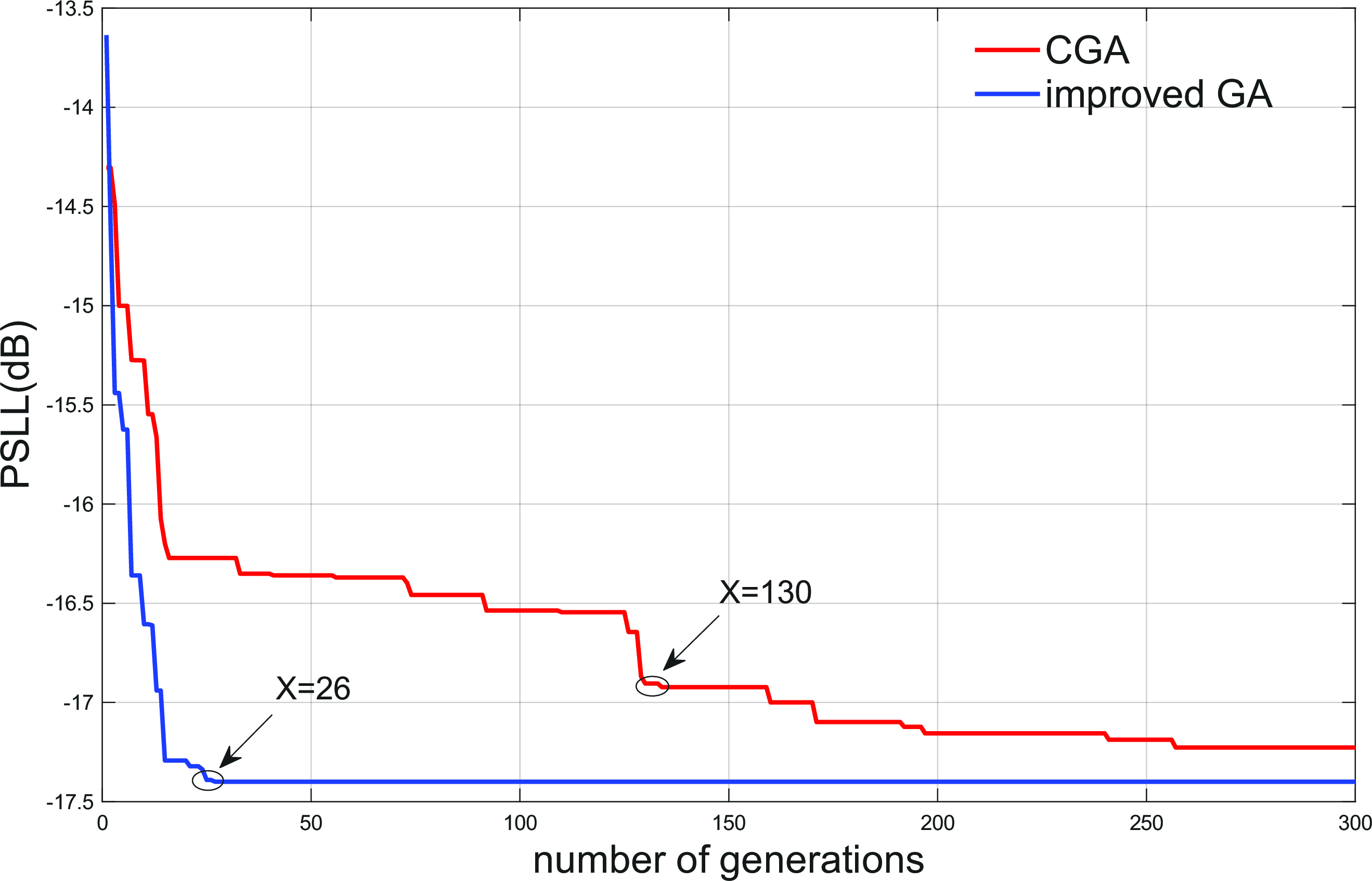
As depicted in Fig. 3, the proposed IGA exhibits a substantially faster convergence rate than the CGA. The PSLL decreases rapidly during the early iterations, reflecting the IGA’s enhanced capacity to explore the high-dimensional binary solution space. In contrast, the CGA converges more slowly and shows signs of stagnation, suggesting insufficient population diversity maintenance and susceptibility to local optima. These observations confirm that the combined enhancements of tournament selection, adaptive operator probabilities, and elite-pool preservation collectively guide the search more effectively toward high-quality array configurations while mitigating premature convergence.
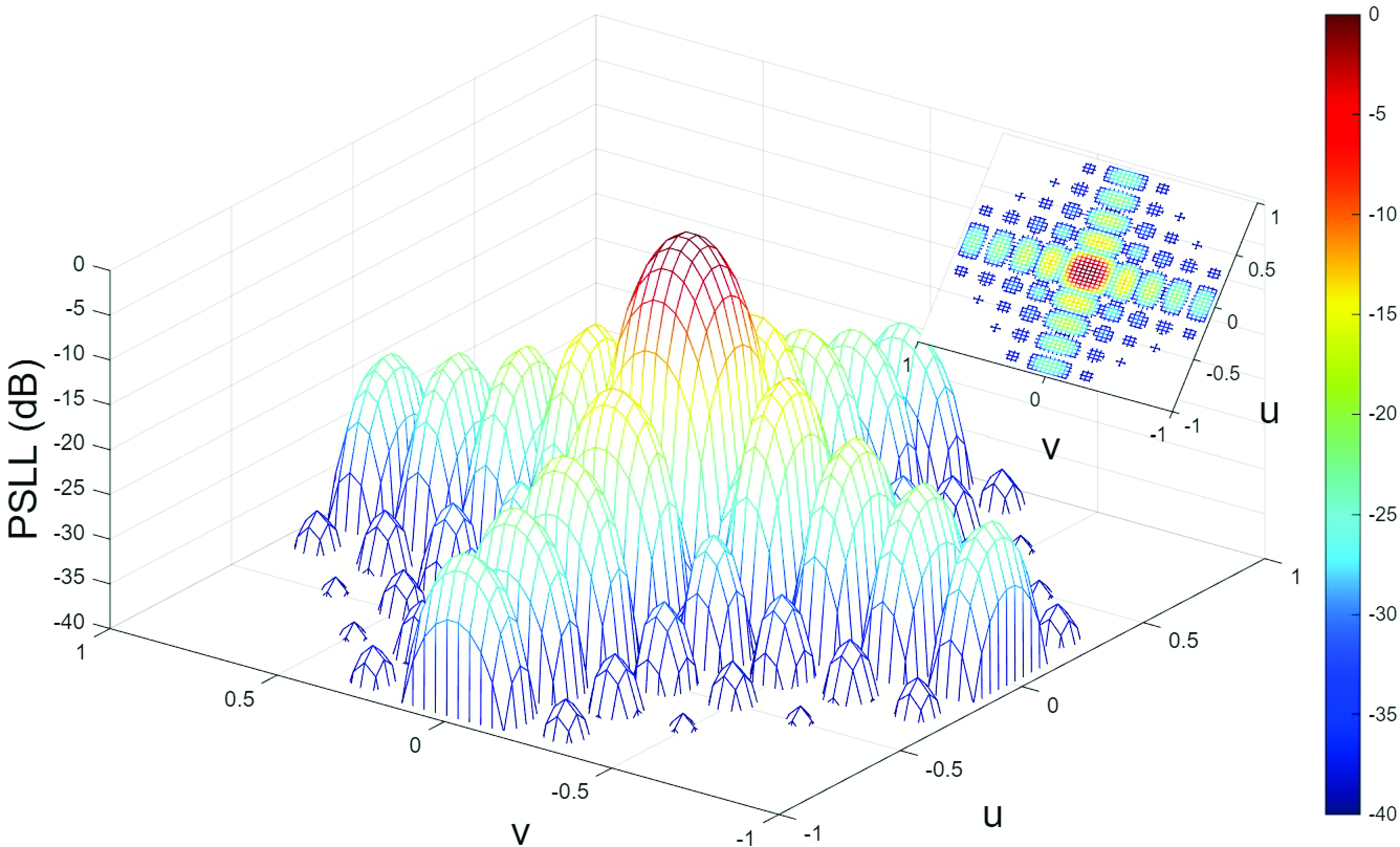
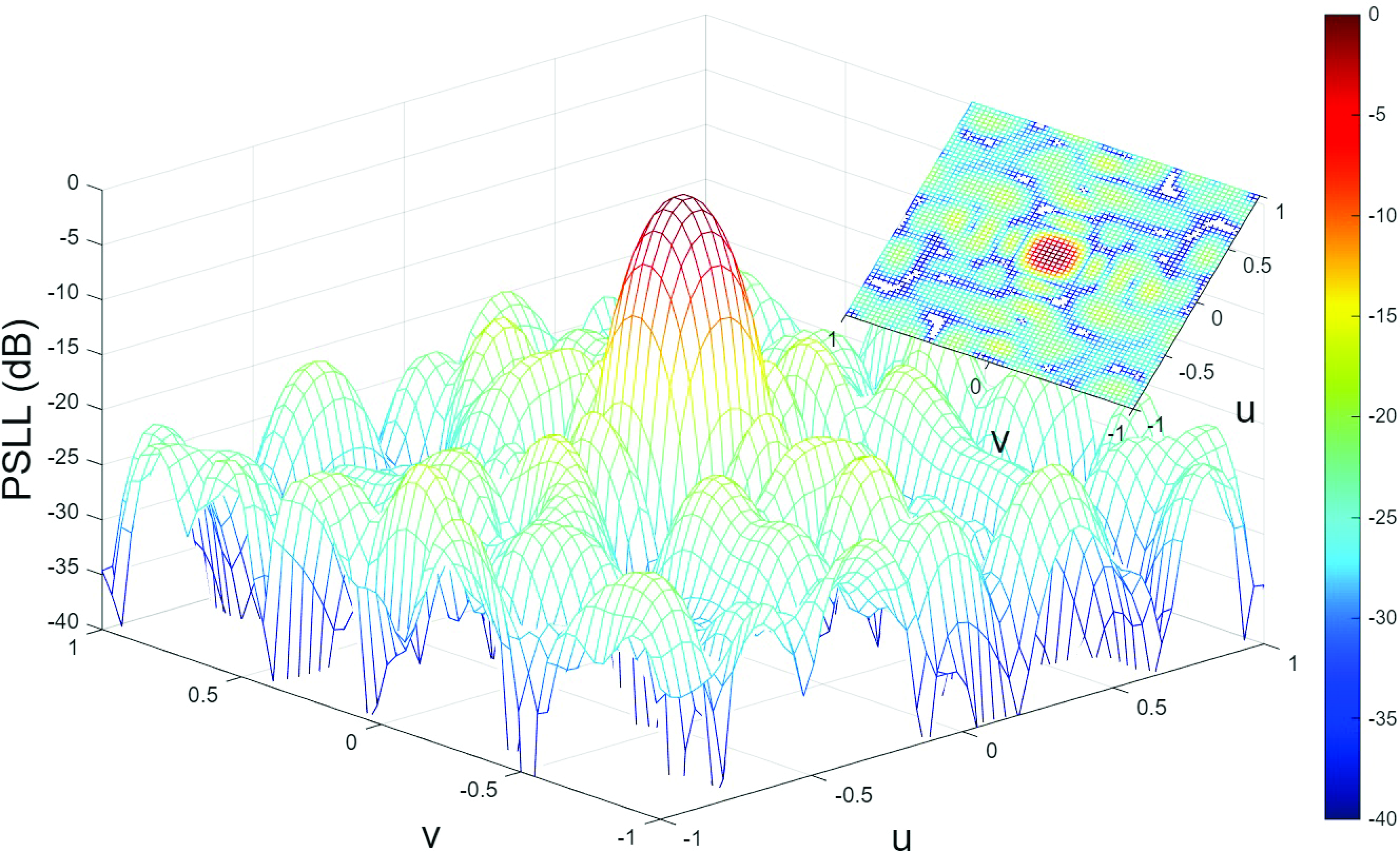
Figure 4: Comparison of direction maps between the full array and the IGA-optimized sparse array..
| Metric | Full Array | IGA (Proposed) |
|---|---|---|
| Number of active ports | 2500 | 300 |
| PSLL (dB) | \(-13.15\) | \(-17.56\) |
| Directivity (dB) | 24.78 | 23.35 |
| Port saving rate (%) | — | 88 |
The full array, with all 2500 ports activated, yields a PSLL of approximately \(-13.15\,\mathrm{dB}\), with sidelobes exhibiting a symmetric distribution in the \((u,v)\) domain, as shown in Fig. 4 (a). The IGA-optimized sparse array achieves a PSLL of approximately \(-17.56\,\mathrm{dB}\) (Fig. 4 (b)), corresponding to a sidelobe suppression of \(4.45\,\mathrm{dB}\). The optimized pattern exhibits a more uniform sidelobe distribution with no pronounced high-sidelobe regions, indicating effective spatial suppression across the visible region.
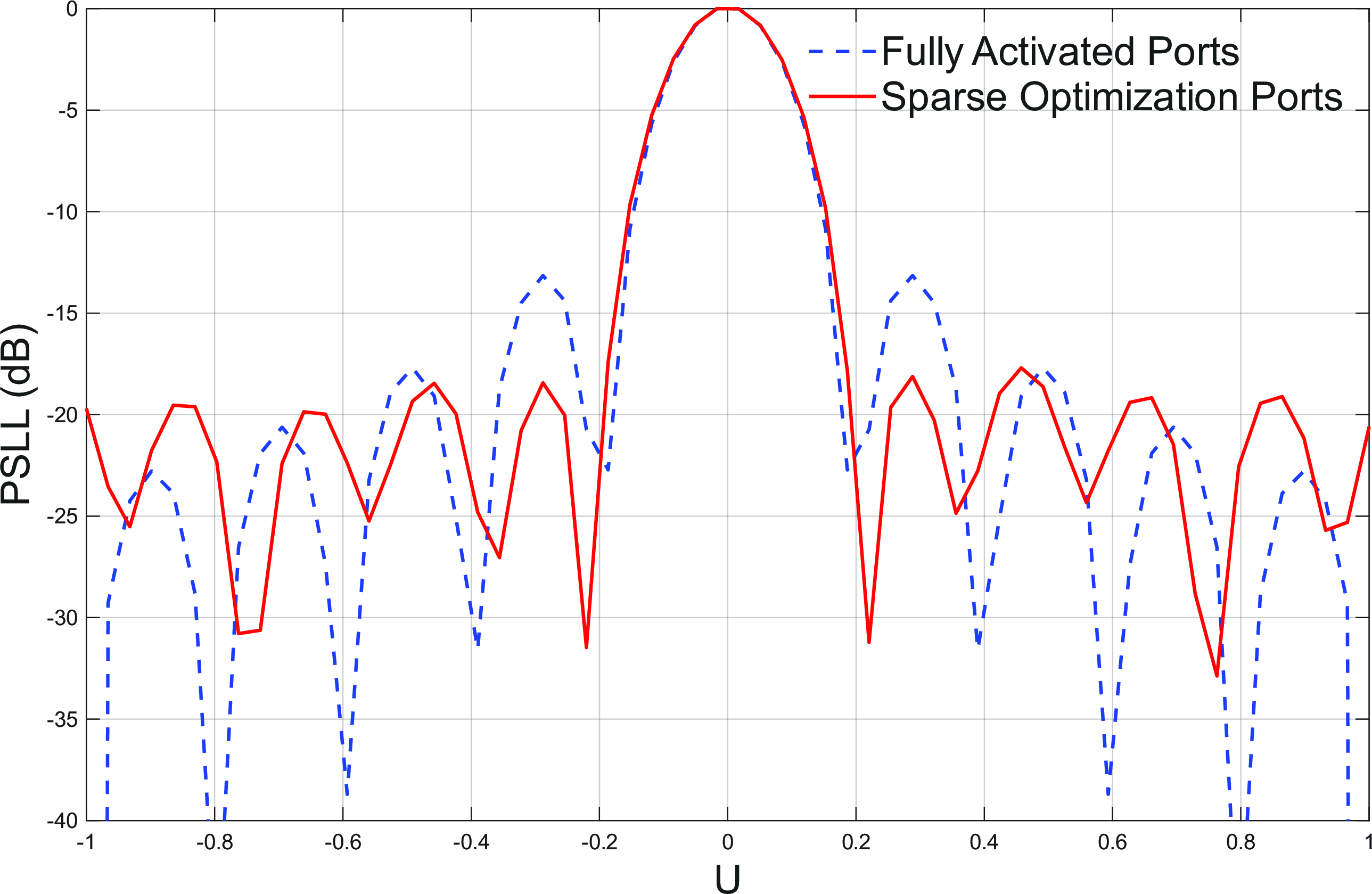
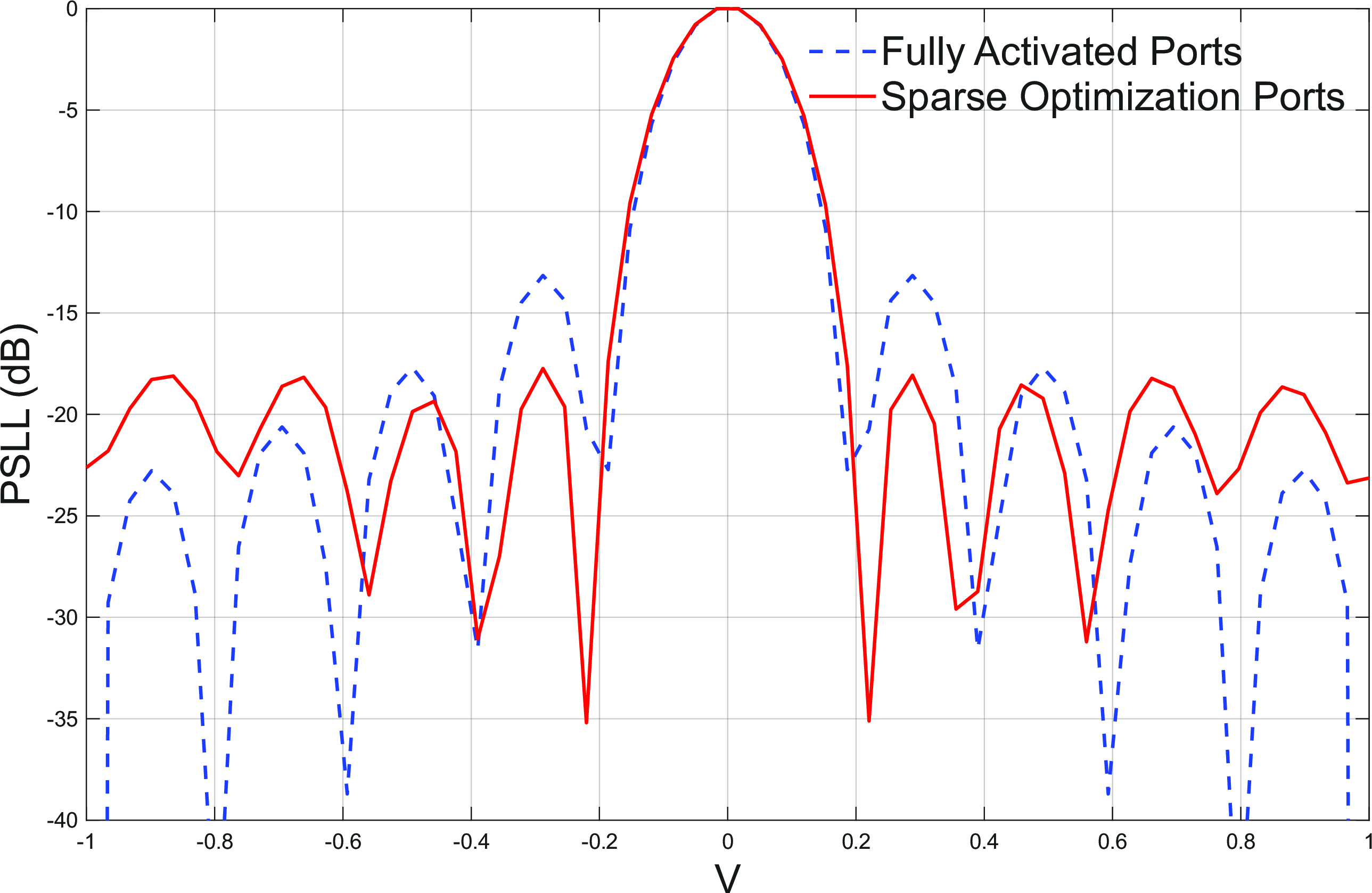
Figure 5: Radiation pattern cuts of the IGA-optimized sparse array along the \(u\)- and \(v\)-axes..
Fig. 5 (a) and Fig. 5 (b) plot the radiation pattern cuts along the \(u\)- and \(v\)-axes, respectively. Both orthogonal cross-sections confirm that the IGA-optimized sparse array preserves a mainlobe width nearly identical to that of the full array while achieving substantially lower sidelobe levels across the entire visible region. This demonstrates that effective sidelobe suppression is attained without incurring any measurable penalty in mainlobe resolution.
The quantitative results are consolidated in Table 2. The IGA reduces the number of active ports from 2500 to 300, realizing a port saving rate of \(88\%\). Despite this \(8.3\times\) reduction in active RF chains, the optimized array achieves a PSLL of \(-17.56\,\mathrm{dB}\), surpassing the full array by \(4.45\,\mathrm{dB}\), while the directivity decreases only marginally from \(24.78\,\mathrm{dB}\) to \(23.35\,\mathrm{dB}\) (\(1.43\,\mathrm{dB}\) degradation). This trade-off confirms that judicious sparse port placement can simultaneously achieve significant sidelobe suppression and drastic hardware simplification at the cost of a strictly bounded directivity penalty.
5 Conclusion↩︎
This paper proposed an IGA for PSLL minimization in sparse planar FAAs, formulated as a constrained combinatorial optimization problem. Relative to the CGA baseline, the IGA integrates tournament selection, adaptive operator probabilities, a hybrid crossover scheme, multi-point mutation, and elite-pool preservation, effectively mitigating premature convergence and achieving superior optimization performance. The optimized 300-port sparse array reduces RF chain consumption by \(88\%\) against the 2500-port full array, improves the PSLL by \(4.45\,\mathrm{dB}\), and incurs only a \(1.43\,\mathrm{dB}\) directivity loss. Future work will extend this framework to non-uniform FAA spatial grids, multi-beam synthesis, and physical prototype validation.
References↩︎
Haoyu Liang, Zhentian Zhang, Zaichen Zhang are with the National Mobile Communications Research Laboratory, Frontiers Science Center for Mobile Information Communication and Security, Southeast University, Nanjing, 210096, China. Zaichen Zhang are also with the Purple Mountain Laboratories, Nanjing 211111, China. (e-mails: zhentianzhangzzt@gmail.com, {lianghaoyu, zczhang}seu.edu.cn?). Corresponding Author: Zaichen Zhang.
Hao Jiang is with the School of Cyber Science and Engineering, Southeast University, Nanjing 210096, P. R. China (e-mail: jiang.hao@seu.edu.cn).↩︎
Y. Wu is with the College of Artificial Intelligence, Nanjing University of Information Science and Technology, 210044, China. (e-mails: 202412621447@nuist.edu.cn)↩︎
J. Xu is with the Southeast Unversity, NanJing, Jiangsu, 211189, China. (Email: jingyuanxu@seu.edu.cn)↩︎